
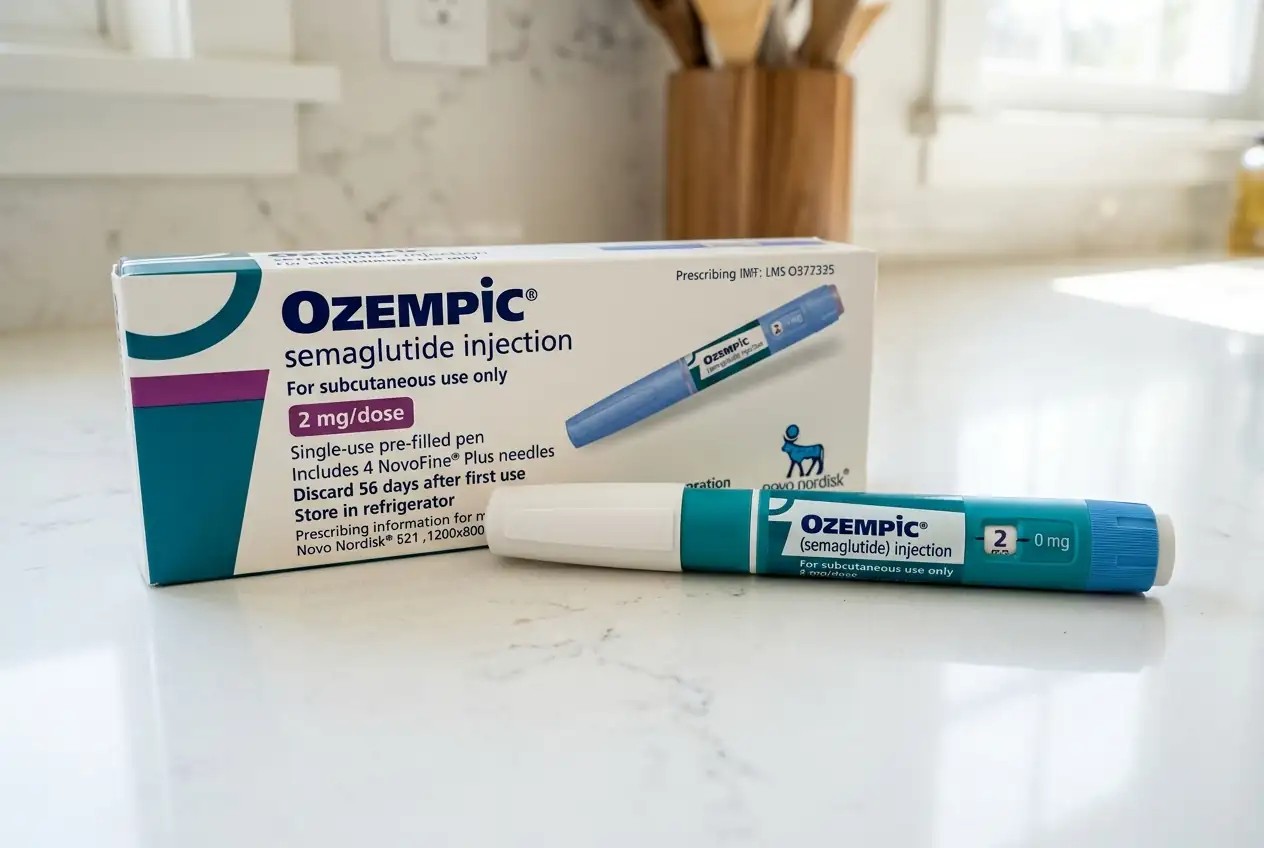
Shares edged higher as Novo Nordisk prepares for what may be the most consequential shift in its U.S. commercial landscape in years: millions of Medicare enrollees will gain their first-ever coverage for weight-loss drugs when the Medicare GLP-1 Bridge pilot launches July 1. The stock has climbed roughly 14% over the past week from $47.42 to $48.28, but the real question is whether government-capped pricing will let the company turn a massive new patient pool into actual earnings growth.
Millions of Seniors Become Eligible, but the Revenue Math Is Tricky. An estimated 3.8 million beneficiaries could be eligible for the program , according to a KFF analysis. Patients will pay a fixed $50 monthly copayment , while manufacturers have agreed to a $245 net price per 30-day supply — a steep discount from list prices that previously exceeded $1,000. That means Novo is betting on sheer volume: each new patient generates far less revenue individually, so the company needs massive uptake to move the needle. The fixed price cap limits revenue per patient, meaning Novo must rely on volume growth to offset the squeeze.
The Program Is Temporary — and That Creates Political Risk. The Bridge demonstration runs from July 1, 2026, through December 31, 2027 , and the longer-term BALANCE Model that was supposed to follow has been delayed indefinitely . If Congress doesn't change the underlying law banning Medicare from covering weight-loss drugs, this revenue stream could simply vanish in 18 months. Shareholders are essentially buying an option on a policy experiment.
Novo's Broader Numbers Are Already Under Pressure. The company's own 2026 guidance projects an adjusted sales decline of 5% to 13%, and first-quarter U.S. revenues fell 11% year-on-year, weighed down by lower net prices.
Semaglutide-based products — Ozempic, Wegovy, and Rybelsus — account for roughly 74% of total sales, a concentration that creates exceptional leverage but also exceptional risk. The Bridge program alone won't reverse that trajectory unless adoption is rapid and sustained.
The Competitive Clock Is Ticking. Eli Lilly's Zepbound and Foundayo are also covered under the program , splitting the new patient pool. Both companies say they have enough supply to meet the new demand.
The next inflection point arrives August 5, when Novo reports second-quarter earnings — the first results that could show whether the Medicare windfall is translating into real prescriptions or merely headlines.